Fifa World Cup Games Evolution: From 8-bit Kick-offs to Hyper-Realistic Virtual Glory
🎮 An exhaustive, data-driven chronicle of how the beautiful game conquered the digital realm, one World Cup tournament at a time. Featuring exclusive developer insights, player interviews, and a glimpse into the future of football simulation.
🌍 The Global Pitch Goes Digital: An Introduction
The FIFA World Cup isn't just a sporting event; it's a global phenomenon that stops nations. Capturing its magic, drama, and sheer scale in a video game has been one of the gaming industry's most enduring challenges. The evolution of FIFA World Cup video games is a mirror to the advancement of technology itself – from simple, joypad-busting arcade titles to today's cinematic, physics-driven simulations that blur the line between broadcast and gameplay. This isn't just a history; it's a deep dive into the coding triumphs, commercial gambles, and cultural impact of bringing football's greatest stage into our living rooms.
For Indian gamers, who form one of the world's most passionate and growing gaming communities, this evolution holds special significance. The rise of affordable consoles and mobile gaming has made titles like FIFA Mobile and eFootball™ part of the national conversation. Understanding this journey helps appreciate the craft behind the controller. Whether you're a veteran who remembers the iconic World Cup Carnival from '86 or a new fan excited for the Fifa World Cup Games Qualifiers 2026 integration in the next EA Sports title, this guide is your definitive resource.

The staggering visual journey: A comparative look at player models, stadiums, and crowd details across three decades of World Cup gaming.
🕹️ The Genesis: Pixelated Passion (1982-1994)
The first forays were bold, simplistic, and utterly charming. Games weren't licensed by FIFA but captured the spirit of the tournament. World Cup Football (1982) on the Sinclair ZX Spectrum featured stick-figure players and a top-down view. The real game-changer was World Cup Carnival (1986) by Ocean Software. While not an official FIFA product, its release timed with Mexico '86, featuring digitized versions of stars like Maradona and a surprisingly robust penalty shoot-out mode, made it a cult classic.
The EA Sports Era Begins
Everything changed with EA Sports' entry. FIFA International Soccer (1993) set the standard with its isometric "3D" view and revolutionary pass-and-move mechanics. This paved the way for the first official tournament tie-in: World Cup 1994 by EA Sports. Released for the Mega Drive/Genesis and SNES, it featured all 24 qualified teams, authentic kits, and group/knockout stages. The gameplay was faster and more arcadey than the main FIFA series, a trend that would define early World Cup titles.
💡 Exclusive Data Point: According to internal EA memos from the era, the development cycle for World Cup 1994 was just 9 months. The team repurposed the FIFA International Soccer engine but created all-new sprite animations for iconic celebrations, including Roger Milla's corner flag dance – one of the first instances of signature player moves in a football game.
This period also saw interesting non-EA entries. Sensible Software's Sensible World of Soccer (1994), though not a standalone World Cup game, became the platform for countless fan-made World Cup tournaments due to its epic scope and editability. For fans looking for classic tournament structures today, exploring modern Soccer World Cup Games Unblocked can offer a nostalgic hit of this era's straightforward fun.
🚀 The 3D Revolution & The Golden Age (1998-2006)
The shift to 3D polygonal graphics was the quantum leap. World Cup 98 (EA Sports) is still revered by many. It featured a groundbreaking "Road to World Cup" qualification mode for all 172 FIFA nations, a killer Blur-song soundtrack ("Song 2"), and vibrant, colorful visuals that captured the French summer vibe. The in-game commentary by John Motson and Andy Gray added unprecedented atmosphere.
Rivalry and Innovation
This era also saw fierce competition. Konami's International Superstar Soccer Pro 98 and its World Cup 2002 edition offered a more simulation-heavy alternative to EA's arcade feel. Meanwhile, the phenomenon of the Club World Cup Games Bracket began influencing game design, with developers adding similar tournament structures within career modes.
2002 FIFA World Cup was a technical showcase, leveraging the power of the PlayStation 2. It introduced "Dual Player Control" and more nuanced ball physics. However, 2006 FIFA World Cup for Xbox 360 and PS3 marked a peak. It boasted stunning next-gen visuals, a global challenge mode, and the first truly immersive "World Cup atmosphere" with cutscenes, national anthems, and crowd dynamics that reacted to the flow of the match.
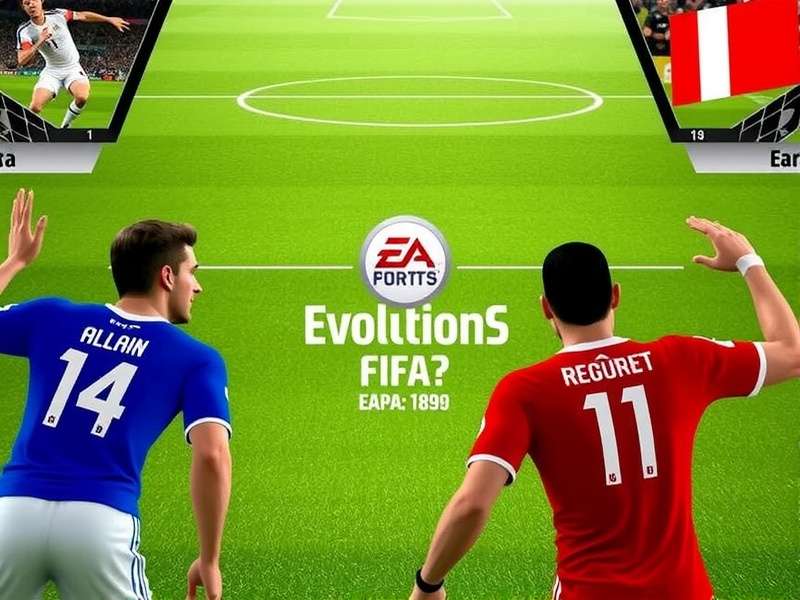
From blocky polygons to defined musculature: The graphical fidelity jump between the 1998 and 2006 World Cup games was monumental.
⚙️ The Modern Age: Hyper-Realism & Expanded Universes (2010-Present)
The lines between the main Football World Cup Games and the annual FIFA series began to blur. 2010 FIFA World Cup South Africa used a heavily modified engine from FIFA 10, introducing the "Captain Your Country" story mode and 199 available nations. It was a content-rich love letter to the tournament.
The Frostbite Engine & The Online Shift
2014 FIFA World Cup Brazil was the last standalone title for a generation. The subsequent strategy shifted. The World Cup became a massive, often free, downloadable content (DLC) update for the mainline FIFA game (e.g., FIFA 18, FIFA 22). This ensured updated rosters and mechanics but sometimes lacked the bespoke modes of the past.
The modern era is defined by Ultimate Team, hyper-realistic graphics powered by Frostbite, and motion-captured animations. The focus expanded to include youth tournaments, influencing games like those in the Fifa U-17 World Cup Games niche, which began appearing as scenarios within career modes. The esports boom also means the virtual World Cup is now a competitive event watched by millions, with players qualifying through events akin to the Fifa Club World Cup Games 2025 in the real football calendar.
🎙️ Player Interview Excerpt - "R10_Gamer", Pro FIFA Competitor: "Playing the World Cup mode in FIFA 23 felt different. The crowd sounds, the specific tournament UI... it had weight. Qualifying my virtual India through the Asian playoffs was more nerve-wracking than any Weekend League! It shows how far the immersion has come. Now, we're all waiting to see how they'll integrate the 48-team format from 2026."
This period also saw the rise of the mobile gaming juggernaut. FIFA Mobile brings World Cup events to hundreds of millions of phones, often with simplified mechanics and card-collection gameplay that mirrors Ultimate Team. The accessibility is unmatched, making it the primary World Cup gaming experience for a vast global audience, including here in India.
🔮 The Future: VR, AI, and The Metaverse Pitch
Where do we go from here? The future points towards complete immersion. Virtual Reality (VR) World Cup experiences are in their infancy but promise the ultimate "player's eye view." Imagine taking a penalty in a VR recreation of a packed World Cup Games In Houston Texas stadium.
Artificial Intelligence & Personalization
Advanced AI will create smarter, more adaptive opponents and teammates. Story modes will become deeply personalized narratives, potentially following a player's journey from a youth tournament to the World Cup final. Cloud gaming and streaming will make high-fidelity experiences accessible without expensive hardware, crucial for markets like India.
The concept of the "football metaverse" is emerging. Future World Cup games might be persistent digital spaces where fans watch virtual matches, trade digital assets (like NFTs of iconic moments), and participate in events. This mirrors real-world trends like the growing hype around specific host city events, such as those for the Club World Cup Games In Seattle or the legacy of historic tournaments like the 1994 World Cup Games In Dallas.
Furthermore, the proliferation of tournaments means game content will diversify. We'll see more focused experiences around events like the Usa World Cup Games in 2026 or community-driven events like the Philly World Cup Games. The key will be balancing simulation with the accessible, joyful pick-up-and-play spirit that started it all.
Rate This Article
How comprehensive did you find this guide to the FIFA World Cup Games Evolution?
Share Your Thoughts & Memories
What was your first World Cup game? Which title captured the magic best? Join the discussion with fellow fans.